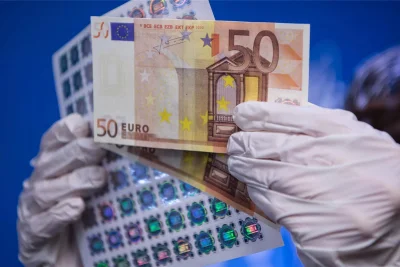
How To Survive Your Boss In Buy Real Money


Understanding the Process of Buying Real Money: A Comprehensive Guide
In a significantly digital world, the concept of "real money" has actually developed, resulting in an intricate web of monetary deals that includes both traditional currency and digital kinds. Purchasing real money refers to the conversion of virtual or digital assets into actual currency that can help with deals in daily life. This short article digs into the different methods, benefits, obstacles, and often asked questions regarding the purchase of real money.
The Nature of Money in a Digital Era
Historically, money has been defined as a legal tender, an unit of account, and a shop of value. With the development of cryptocurrency, electronic banking, and digital payment systems, the landscape of financing has expanded. Here are some key points concerning the development of money:
- Physical Currency: Traditional banknotes and coins used in daily transactions.
- Digital Currency: Money that is saved and negotiated digitally, consisting of bank balances and digital wallets.
- Cryptocurrency: A decentralized type of digital money protected by cryptography, with Bitcoin and Ethereum being the most acknowledged examples.
Understanding these distinctions is essential when considering buying real money, as different types of money included their own processes, threats, and advantages.
Why Buy Real Money?
Buying real money usually stems from various needs and circumstances. The reasons can include:
- Investments: Many individuals are attracted to cryptocurrencies and other digital currencies as potential financial investment vehicles.
- Global Transactions: Businesses and people might buy foreign currency (like Euros, Pounds, and so on) to help with global trade or travel.
- Emergency situation Funds: Having cash or tangible possessions in the form of currency ensures financial security throughout unpredictable times, such as financial declines.
- Convenience: Digital deals have made it easier for people to take part in commerce without carrying physical money.
How to Buy Real Money
The process of buying real money varies based on its type. Below we break it down into common classifications:
1. Standard Currency
To buy traditional currency, you normally need:
- A Bank Account: Most deals require having a checking account for ease of transfer and security.
- Currency Exchange Services: You can utilize banks, exchange bureaus, or Online Currency Exchange platforms.
- Identification: Often, you need to offer identification or proof of residence when transforming big amounts.
2. Digital Currency
For acquiring digital currency, follow these steps:
a. Choose a Cryptocurrency Exchange
- Research Study Exchange Platforms: Popular platforms consist of Coinbase, Binance, and Kraken.
- Check Fees and Security: Understand trading fees and security protocols to ensure your funds are safe.
b. Create an Account
- Registration Process: Complete the registration process, ensuring you offer accurate personal details.
- KYC Compliance: These exchanges may have Know Your Customer (KYC) requirements, requesting for recognition documents.
c. Link Payment Methods
- Deposit Funds: You can connect your bank account or debit/credit card to deposit funds on the exchange.
- Purchasing Process: Follow the directions on the platform to purchase your wanted cryptocurrency.
3. Digital Wallets
To buy money stored in a digital wallet:
- Core Wallet Options: Choose in between a hot wallet (linked to the internet) or a cold wallet (offline).
- Transfer Funds: Use these wallets to send or receive money from various sources.
Advantages of Buying Real Money
Purchasing real money offers various advantages, consisting of:
- Liquidity: Cash can be quickly used for transactions, ensuring you have access to funds when required.
- Stability: Traditional currencies are fairly steady compared to unstable cryptocurrencies.
- Availability: Digital payment systems make moving money throughout borders much easier and faster than traditional banking techniques.
Difficulties in Buying Real Money
Despite its benefits, numerous challenges exist:
- Volatility: Cryptocurrencies are notoriously unpredictable, raising the risk for investors.
- Charges: Currency exchanges and deals may incur numerous charges, reducing total success.
- Legal Regulations: Different jurisdictions have unique rules regarding currency deals and taxes, making compliance essential.
FAQs about Buying Real Money
1. Is Discreet Falschgeld Kaufen to buy cryptocurrency?
While purchasing cryptocurrency is thought about safe when done through reputable exchanges, threats such as market volatility and cybersecurity dangers exist. Users must enable two-factor authentication and never share delicate details.
2. What are the main risks associated with buying foreign currency?
Dangers consist of fluctuations in currency exchange rate, economic instability in the currency's country, and possible scams or frauds in the exchange process.
3. Can I buy real money with a charge card?
Yes, many online exchanges allow credit card purchases for cryptocurrencies or standard money, however understand possible high costs.
4. How do I guarantee I'm getting a reasonable exchange rate?
Constantly compare rates from various exchanges or organizations, and consider utilizing a currency converter to examine current market rates easily.
5. Are deals and purchases traceable?
Yes, the majority of deals, especially digital currency purchases, are tape-recorded on a blockchain or through financial institutions, although some cryptocurrencies supply functions meant to enhance personal privacy.
Buying real money includes a detailed network of monetary transactions that show the evolution of money itself. With the development of digital deals and currencies, it is important for consumers and investors to be informed concerning the different techniques, benefits, and possible threats associated with the process. As the financial landscape continues to develop, comprehending the nuances of money will be increasingly advantageous for making sound financial investment and costs choices. By browsing this complex environment with awareness and caution, people can handle their finances proactively and securely.